

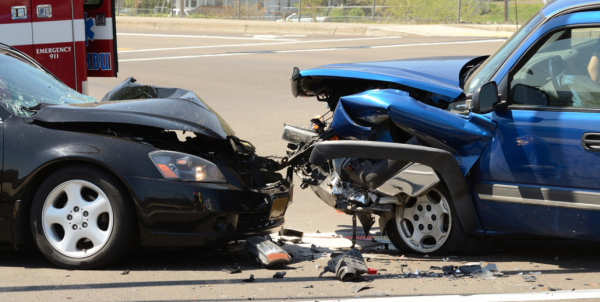
Understanding Fault in a Head-On Car Accident in New Orleans
A head-on collision ranks among the most terrifying car crashes. The impact can cause severe injuries, property damage, and emotional distress. Determining fault after such an accident often feels overwhelming, especially while managing medical bills and lost wages. If you were in a head-on car accident in New Orleans, learning how fault is determined can help you protect your rights and recover compensation.
This blog explains the process of determining fault in head-on car accidents, the evidence needed to build your case, and how a lawyer can help.
Common Causes of Head-On Car Accidents in New Orleans
Head of Collisions occur when vehicles in oncoming traffic collide. These types of car accidents often result in severe injuries due to the force of impact. Some common causes include:
- Distracted driving, such as texting or adjusting the radio, which makes drivers veer into oncoming traffic.
- Impaired driving caused by alcohol or drugs, which slows reaction times and impairs judgment.
- Wrong-way driving, such as entering a one-way street or highway incorrectly.
- Speeding or reckless driving, which reduces the time available to avoid collisions.
Understanding the cause of a head-on car accident in New Orleans is a crucial step to determine who is at fault and begin building a strong case.
The Legal Process for Determining Fault in Head-On Car Accidents
Determining fault requires collecting evidence and analyzing what happened. Here’s how fault is often established:
- Call the Police and Obtain a Police Report
The first step after a collision is to call the police. Officers will document the accident in a report, which may include details about who caused the crash. This report becomes vital evidence in your case.
- Analyze Traffic Laws and Duty of Care
Traffic violations like speeding or crossing the centerline often point to fault. All drivers have a duty of care to follow the rules of the road and avoid harming others. When someone breaches this duty, they are likely at fault.
- Apply Louisiana’s Comparative Negligence Rule
Louisiana uses a pure comparative negligence system. Even if you share some responsibility for the accident, you can still recover damages. However, your compensation decreases based on your percentage of fault.
Understanding these steps helps you establish fault in your head-on crash and strengthen your claim.
Evidence Used to Establish Fault in a Head-On Collision
To determine who is at fault, you need strong evidence. Important pieces of evidence include:
- Accident scene details like skid marks and vehicle damage. These details can show how the collision happened.
- Surveillance footage or dashcams that capture the events leading up to the accident.
- Eyewitness testimonies from bystanders or passengers, which can provide impartial perspectives.
- Accident reconstruction expert reports that analyze the crash scientifically.
If you’ve been in a head-on car accident in New Orleans, collecting evidence is essential to prove your case.
Challenges in Proving Fault in Head-On Car Accidents
Proving fault in a head-on collision isn’t always easy. You may face challenges such as:
- Conflicting accounts, where both drivers claim the other caused the accident.
- Lack of witnesses, which makes it harder to establish what happened.
- Unclear conditions, such as poor visibility or bad weather, that complicate fault determination.
These obstacles can make proving fault stressful. However, a car accident attorney can help you gather evidence and present a strong case.
Why Fault Matters in a Head-On Car Accident Claim
Fault plays a critical role in recovering compensation after a head-on car accident. The at-fault party is typically responsible for covering damages, including:
- Medical bills for surgeries, rehabilitation, and long-term care.
- Lost wages due to time away from work.
- Pain and suffering caused by physical and emotional injuries.
- Property damage, such as repairing or replacing your vehicle.
If you’ve been injured in a head-on car accident in New Orleans, proving fault ensures you are not left to handle these financial burdens alone.
How Car Accident Lawyers Help Determine Fault
A car accident attorney can be your greatest ally when determining fault. Here’s how they assist:
- Collect and analyze evidence, including police reports and skid marks, to build a strong case.
- Work with experts, such as accident reconstruction specialists, to clarify what happened.
- Negotiate with insurance companies, which often try to minimize your compensation.
- Represent you in court if a fair settlement cannot be reached.
Having an experienced lawyer by your side helps you focus on recovery while they handle the complexities of your case. Not sure if you need a personal injury attorney? Take our Free Quiz here.
Steps to Take After a Head-On Car Accident
Taking immediate steps after a head-on collision strengthens your claim and protects your rights:
- Call the police and ensure a police report is filed.
- Document the accident scene by taking photos of the vehicles, skid marks, and any visible injuries.
- Seek medical attention, even if you feel fine, as some injuries may not appear right away.
- Consult a car accident attorney to understand your options for pursuing compensation.
Acting quickly after your accident can make all the difference in the outcome of your case.
Conclusion: Protect Your Rights After a Head-On Collision
Determining fault in a head-on car accident can be challenging, but it’s a vital part of recovering compensation. Each step—from gathering evidence to negotiating with insurance companies—plays a role in ensuring you receive the financial support you need to move forward.
If you’ve been injured in a head-on car accident in New Orleans, our legal team is ready to help. We understand the challenges you face and are dedicated to fighting for the justice you deserve.
Call our office today at 504-434-7000 for a free consultation with an attorney. Let us help you recover and move forward with confidence.

